

Children mental health
In recent years the mental wellbeing of children and teenagers has become one of the most urgent challenges facing modern societies. Anxiety, stress and emotional difficulties are increasingly reported among young people across Europe and globally. According to the World Health Organization around one in seven adolescents experiences a mental health condition, with anxiety and depression among the most common.
These trends have prompted educators, researchers and public health institutions to examine more closely the environments in which children grow up and the conditions that support healthy psychological development.
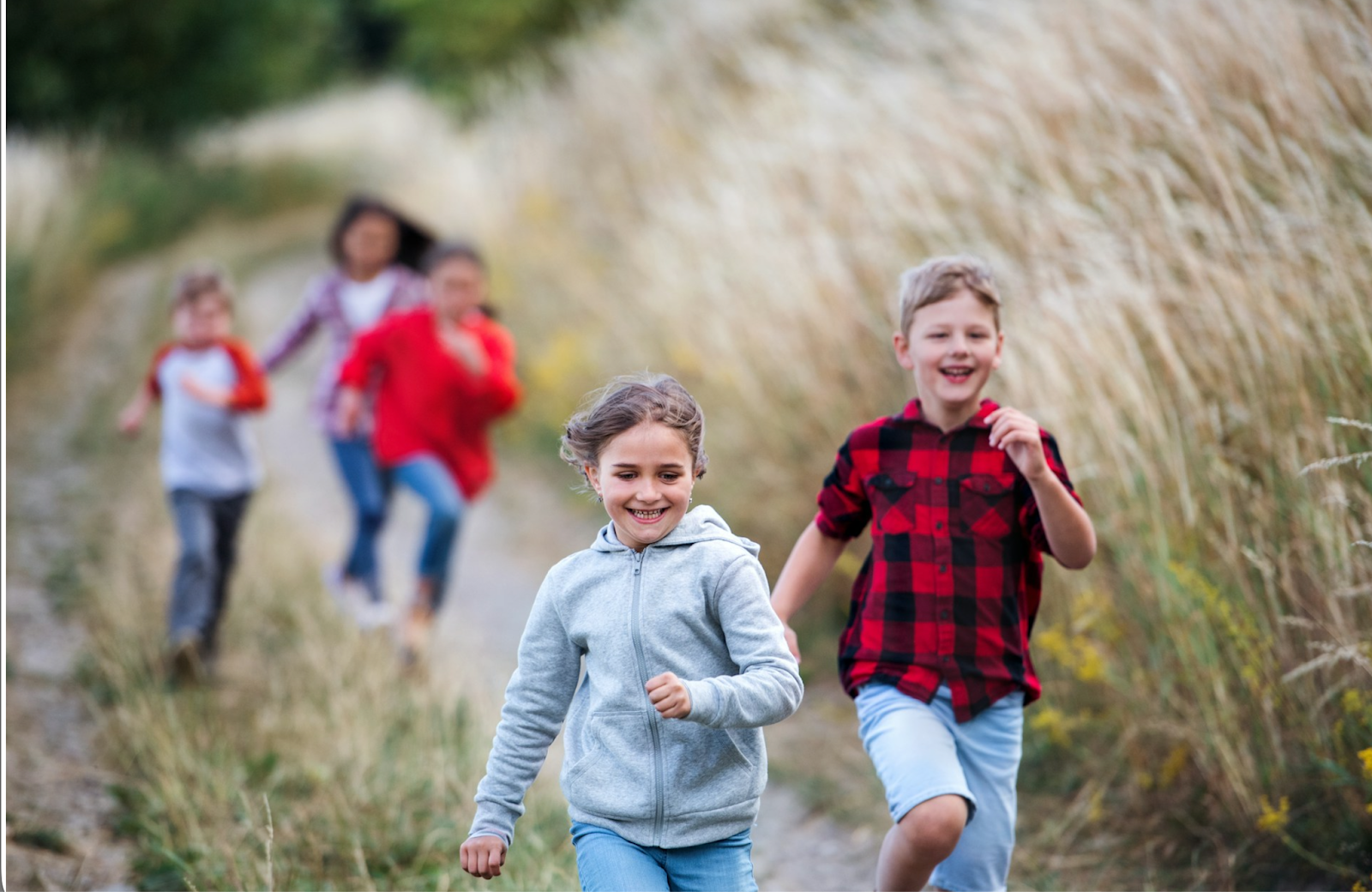
While the causes of mental health challenges among young people are complex, research consistently highlights three elements that strongly support resilience and wellbeing during childhood and adolescence. Young people need opportunities to move, to express themselves creatively and to build meaningful social connections. When physical activity, creativity and social interaction come together they create environments that support both brain development and emotional balance.
Scientific research has long demonstrated that physical activity is one of the most effective natural tools for supporting mental health. Movement does far more than improve physical fitness. It also directly influences brain chemistry and emotional regulation.
Exercise stimulates the release of neurotransmitters such as dopamine, serotonin and endorphins which are closely linked to motivation, mood and feelings of wellbeing. These chemicals help stabilise emotional states and reduce symptoms of stress and anxiety.
Research summarised by the World Health Organization shows that children who are physically active demonstrate improved cognitive performance, better emotional regulation and stronger resilience to stress. Studies from Harvard Medical School also show that exercise can reduce levels of cortisol, the hormone associated with stress, while increasing the production of neurotransmitters linked to positive mood.
Movement also stimulates the production of Brain Derived Neurotrophic Factor, commonly known as BDNF. This protein plays an essential role in brain development because it supports the growth and strengthening of neural connections. BDNF is closely linked to learning, memory and cognitive flexibility.
During childhood and adolescence when neural networks are still forming, increased BDNF production supports healthy brain development. Children who engage in regular physical activity therefore often demonstrate better concentration, improved memory and stronger emotional stability.
Yet modern lifestyles often limit opportunities for spontaneous movement. Many children spend large parts of their day sitting in classrooms or interacting with digital devices. Creating environments that encourage movement has therefore become increasingly important for supporting both physical and mental wellbeing.
Alongside movement creative expression also plays a crucial role in emotional development. Activities such as music, art, dance and storytelling allow children to express feelings that may be difficult to communicate verbally. Creative engagement activates brain regions associated with emotional processing, imagination and reward.
Research published in Frontiers in Psychology shows that children who regularly participate in creative activities tend to demonstrate higher levels of self esteem and stronger emotional regulation. Creative activities also support empathy and social understanding because they encourage children to explore different perspectives and collaborate with others.
Music in particular has received significant attention in neuroscience research. Musical engagement activates multiple brain systems simultaneously including those involved in hearing, movement, memory and emotional interpretation. Studies suggest that participation in music can enhance attention, strengthen memory and support emotional awareness.
Creative expression also supports identity development which becomes especially important during adolescence. Young people are exploring who they are and how they relate to the world around them. Artistic expression provides a safe space for experimentation and self discovery, allowing adolescents to develop confidence in their abilities and ideas.
Equally important for mental wellbeing is a sense of belonging. Humans are inherently social and the adolescent brain is especially sensitive to social relationships. Brain regions involved in emotional processing and reward respond strongly to experiences of acceptance and connection with peers.
Research published in the Journal of Adolescent Health shows that participation in structured group activities such as sports teams or creative programmes is associated with lower levels of depressive symptoms and improved emotional wellbeing among adolescents.
These environments allow young people to develop friendships, build trust and learn cooperation through shared experiences. They also introduce young people to mentors and role models who can support them during important stages of development.
When movement, creativity and social interaction are combined their effects reinforce one another. Movement regulates brain chemistry and supports mood. Creativity provides a channel for emotional expression and imagination. Social interaction strengthens belonging and identity.
Together these elements create environments where young people can develop resilience, confidence and emotional stability.
This integrated approach is increasingly recognised by researchers and educators as an important foundation for healthy development.
The idea behind SPARK is inspired by this understanding. The initiative aims to contribute to environments where young people can move, explore creativity and build meaningful connections with others. Activities such as sport, music and creative collaboration are combined in ways that encourage participation, cooperation and personal growth.
By bringing these elements together initiatives like SPARK seek to create spaces where young people can discover their strengths, develop confidence and build supportive relationships.
Investing in the wellbeing of young people is not only a moral responsibility but also a long term societal investment. Research from the OECD shows that mental health challenges among young people carry significant economic and social costs, affecting education outcomes, employment opportunities and healthcare systems.
Preventive environments that support wellbeing during childhood can help reduce these long term impacts while strengthening communities.
The need for safe and supportive spaces where young people can move, create and connect has never been greater.
Supporting initiatives that help young people develop resilience, confidence and a sense of belonging is an investment in the wellbeing of the next generation.
If you would like to support initiatives that help create these opportunities you can support the development of SPARK programmes.
Learn how you can support our work here: [insert link]
Sources
World Health Organization. Adolescent Mental Health. WHO, 2023.
Harvard Medical School. Exercise and Mental Health. Harvard Health Publishing.
Ratey J. Spark: The Revolutionary New Science of Exercise and the Brain.
Frontiers in Psychology. The Impact of Arts Engagement on Children’s Emotional Development.
Journal of Adolescent Health. Organized Activity Participation and Adolescent Wellbeing.
OECD. Mental Health and Work: Economic Impact of Mental Health Conditions.