
Youth creativity activities
When people think about creativity in childhood they often imagine drawing, music lessons or school art projects. These activities are frequently seen as pleasant additions to education rather than essential elements of development. Yet modern neuroscience and psychology increasingly show that creative expression plays a much deeper role in emotional wellbeing and resilience.
For children and adolescents creativity is not only a form of entertainment or artistic training. It is a powerful way to process emotions, regulate stress and develop a sense of identity.
Scientific research demonstrates that activities such as music, visual arts, dance and storytelling activate several areas of the brain involved in emotional processing. These include regions within the limbic system, which plays a central role in regulating emotions, memory and motivation. When young people engage in creative activities the brain integrates sensory input, movement and emotional interpretation in ways that support psychological balance.
Music in particular has been widely studied for its influence on emotional regulation. Neuroscientists have shown that listening to or creating music can influence brain activity in regions associated with pleasure, memory and emotional awareness. Musical engagement also stimulates the release of dopamine, a neurotransmitter connected to motivation and reward.
Creative expression also gives children ways to process experiences that may be difficult to describe in words. This is especially important during childhood and adolescence when emotional awareness is still developing. Through art, music or movement young people can express feelings such as frustration, excitement or uncertainty in constructive ways.
Research published in the journal Frontiers in Psychology shows that children who regularly participate in creative activities tend to demonstrate higher levels of self confidence and improved emotional regulation. These activities also strengthen problem solving abilities and encourage flexible thinking, which helps young people adapt when facing challenges.
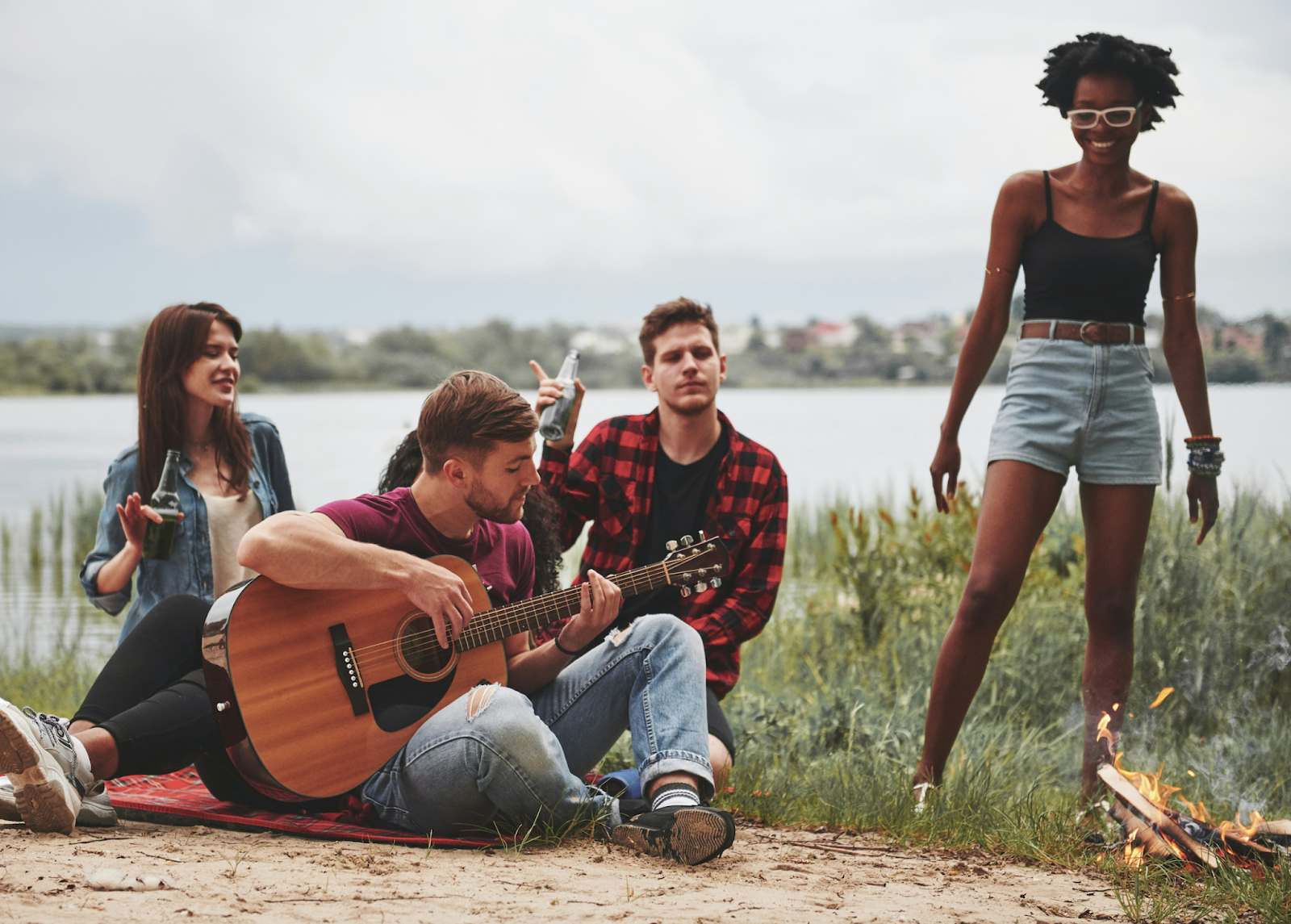
Creativity also has an important social dimension. Many artistic activities involve collaboration and shared experiences. When children create music together, participate in dance or work on artistic projects they develop communication skills, empathy and cooperation. These social interactions contribute to a stronger sense of belonging and emotional security.
Studies in developmental psychology suggest that creative engagement during childhood is associated with increased resilience. Resilience refers to the ability to cope with stress and recover from difficulties. Children who develop this capacity are better prepared to manage the challenges of adolescence and adulthood.

In modern societies where academic pressure and digital environments often dominate daily life creative activities offer an important balance. They encourage imagination, self expression and emotional reflection. These qualities support mental wellbeing in ways that traditional academic learning alone cannot always provide.
This growing body of research is one of the reasons why many educators, youth organisations and communities are beginning to rethink the role of creativity in youth development. Environments that combine movement, artistic expression and collaboration are increasingly recognised as powerful spaces for personal growth.
SPARK was created with this perspective in mind. The initiative aims to contribute to environments where young people can move, create and connect with others through shared experiences. The programmes are still evolving, but the idea behind them is simple and strongly supported by research: when young people have opportunities to express themselves creatively within supportive communities they are more likely to develop confidence, resilience and a healthy sense of identity.
Providing opportunities for creative expression is therefore not a luxury in youth development. It is an essential part of supporting the emotional and psychological wellbeing of the next generation.
If you would like to help create more spaces where young people can explore creativity, build confidence and connect with others you can support the development of SPARK programmes.
Together we can help create environments where young people grow not only academically, but also emotionally and socially.
Sources
Frontiers in Psychology. Arts engagement and emotional wellbeing in children and adolescents.
Koelsch S. Brain correlates of music evoked emotions. Nature Reviews Neuroscience.
Winner E., Goldstein T., Vincent Lancrin S. Art for Art’s Sake: The Impact of Arts Education. OECD.
National Endowment for the Arts. The Arts and Human Development.