

Youth social wellbeing
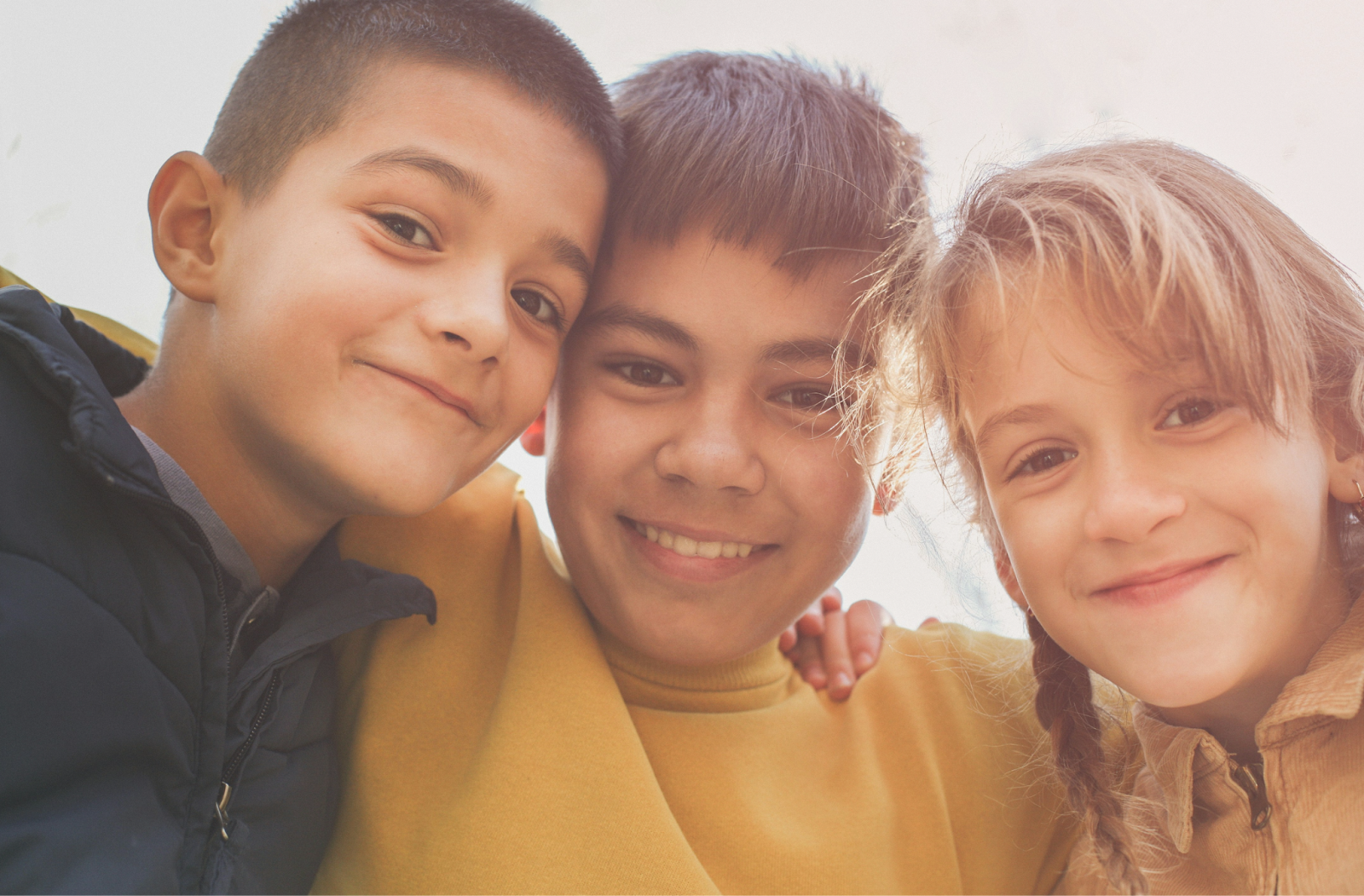
Across Europe and many other parts of the world researchers are increasingly warning about a growing problem affecting adolescents and young adults. Loneliness, once primarily associated with older populations, is now reported at high levels among younger generations. Several European surveys suggest that more than forty percent of young people report feeling lonely on a regular basis. For psychologists and public health experts this trend raises serious concern because social connection is not simply a pleasant part of life. It is a fundamental requirement for healthy human development.
Adolescence is a period when relationships with peers become especially important. During these years young people are forming their identity, learning how to cooperate with others and discovering where they belong in the world. Scientific research shows that the adolescent brain is particularly sensitive to social experiences. Brain regions involved in emotional processing and reward respond strongly to acceptance, friendship and belonging. Positive social interactions during adolescence therefore play a crucial role in shaping confidence, resilience and emotional wellbeing.
At the same time the social environment of young people has changed dramatically. Teenagers today communicate more through digital platforms than any generation before them. Social media and messaging apps allow young people to stay connected throughout the day. Yet research increasingly shows that digital communication cannot fully replace real human interaction.
Face to face contact involves shared experiences, body language, emotional cues and spontaneous conversation. These elements help build trust and deepen relationships in ways that digital communication often cannot replicate. Several studies suggest that when online communication replaces real world social interaction it can contribute to feelings of isolation and reduced life satisfaction.
Research conducted by the European Commission’s Joint Research Centre found that higher reliance on digital communication may be associated with increased loneliness among adolescents. The problem is not technology itself but the fact that online interaction sometimes replaces rather than complements real social experiences.
Loneliness during adolescence is not only an emotional challenge. Scientific evidence shows that prolonged social isolation can affect both mental and physical health. Studies published in the Journal of Adolescent Health indicate that adolescents who frequently report loneliness are more likely to experience symptoms of anxiety and depression. Other research suggests that chronic loneliness can increase stress responses in the body and may influence immune system functioning.
The biological mechanisms behind this effect are increasingly well understood. When individuals experience social rejection or isolation the brain activates stress responses similar to those triggered by physical danger. Stress hormones such as cortisol increase and may influence sleep, mood and cognitive performance. Over time this can contribute to emotional difficulties and reduced wellbeing.
Positive social experiences have the opposite effect. When young people feel accepted and connected their brains release neurotransmitters such as dopamine and oxytocin. These chemicals support trust, motivation and emotional stability. A strong sense of belonging therefore acts as one of the most powerful protective factors for mental health.
One of the most effective ways to strengthen social connection among young people is through participation in shared activities. Research consistently shows that adolescents who participate in organised sports, arts programmes or community initiatives report higher levels of wellbeing and lower levels of depressive symptoms.
A large longitudinal study published in the Journal of Adolescent Health found that participation in organised extracurricular activities was associated with stronger social relationships and improved emotional wellbeing. These environments allow young people to cooperate, solve problems together and build friendships through shared experiences. They also provide opportunities to meet mentors and role models who can support young people during important stages of development.
Community programmes therefore play an important role in addressing the loneliness crisis. When young people come together through activities that involve movement, creativity and collaboration they are not only developing skills but also forming meaningful relationships.
The idea behind SPARK Clubs is inspired by this understanding. The goal is to help create safe and inclusive spaces where young people can meet, collaborate and share experiences. Activities combine movement, creative expression and teamwork in ways that encourage participation and connection. Through these shared experiences young people have opportunities to build friendships, develop confidence and feel part of a supportive community.
In a time when loneliness among young people is increasingly recognised as a global challenge, environments that encourage connection and belonging can make a meaningful difference.
Addressing the loneliness crisis requires collective effort. Families, schools, communities and organisations all play an important role in creating spaces where young people can connect with others in positive and supportive ways.
Every initiative that helps young people meet, collaborate and grow together strengthens not only individual wellbeing but also the resilience of communities.
If we want the next generation to thrive we must ensure that young people do not face the challenges of growing up alone. They need spaces where they can connect with others, discover their strengths and build relationships that support them throughout their lives.
Supporting initiatives that create opportunities for young people to connect and collaborate is therefore an investment in healthier and more resilient communities.
Sources
World Health Organization. Adolescent Mental Health. WHO, 2023.
European Commission Joint Research Centre. Loneliness in the European Union. 2022.
Loades M. et al. The impact of social isolation on mental health in children and adolescents. Journal of the American Academy of Child and Adolescent Psychiatry, 2020.
Eccles J. & Barber B. Student Council, Volunteering, Basketball or Marching Band. Journal of Adolescent Research, 1999.
Orben A. & Przybylski A. The association between adolescent wellbeing and digital technology use. Nature Human Behaviour, 2019.